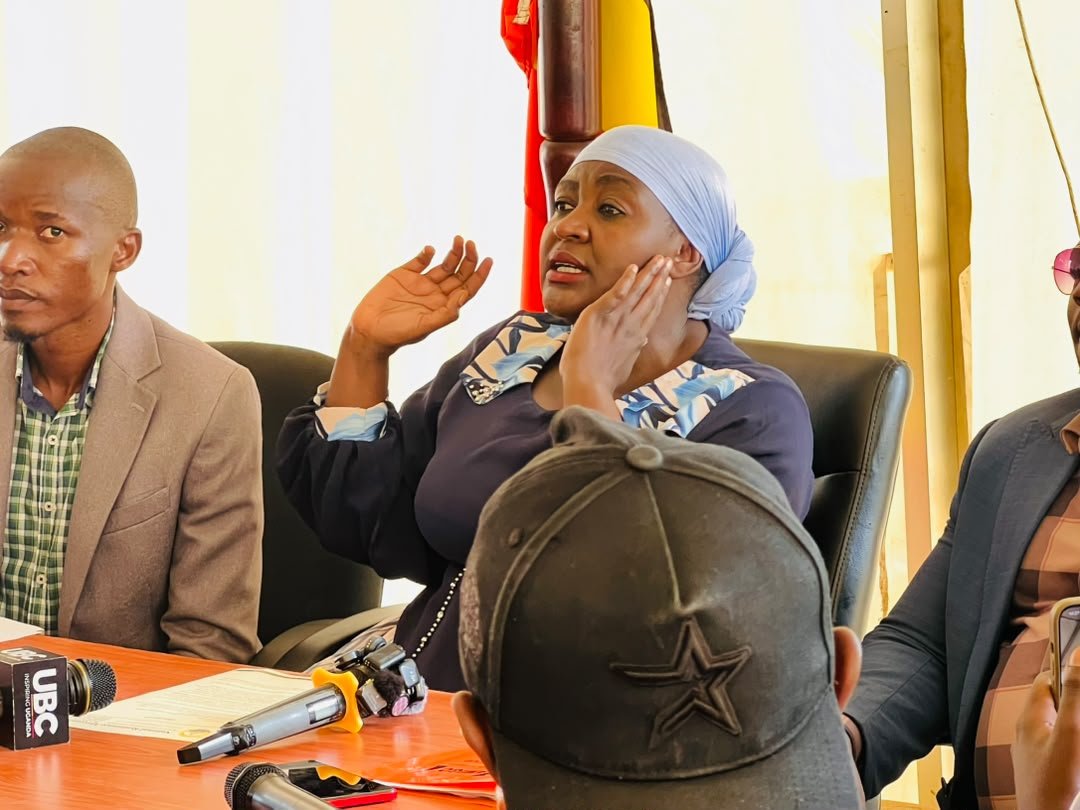

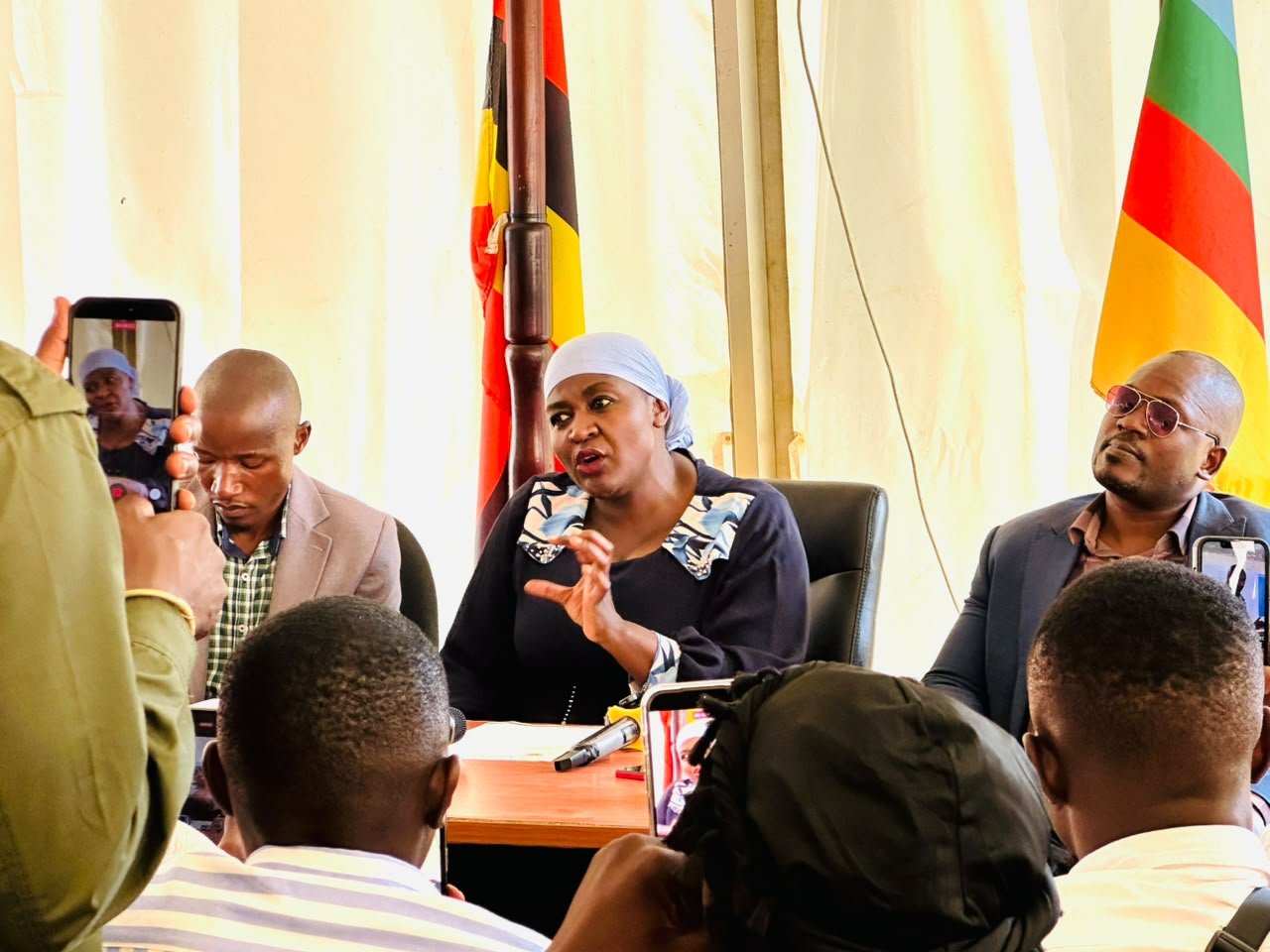
The Senior Presidential Advisor on Political Affairs and Manager, Office of the National Chairman, Hajjat Hadijah Namyalo Uzeiye, has urged government to provide low-income households with gas cookers and support the cost of refilling them as part of efforts to transition Ugandans from charcoal to cleaner cooking energy.
Namyalo said environmental conservation policies should take into account the financial constraints facing ordinary citizens, warning that restricting charcoal use without making alternative energy sources affordable could deepen the hardships experienced by vulnerable households.
Addressing the media on Friday, October 16, she called for the distribution of gas cookers to Ugandans, alongside a programme to support monthly refills and public education on their safe use.
“We are not rich people. Some of us can’t afford a meal,” Namyalo said, questioning how households already struggling to meet their basic needs would cope with restrictions on charcoal without practical and affordable alternatives.
She argued that government should first equip citizens with the knowledge and resources needed to adopt alternative cooking technologies before expecting them to abandon familiar energy sources.
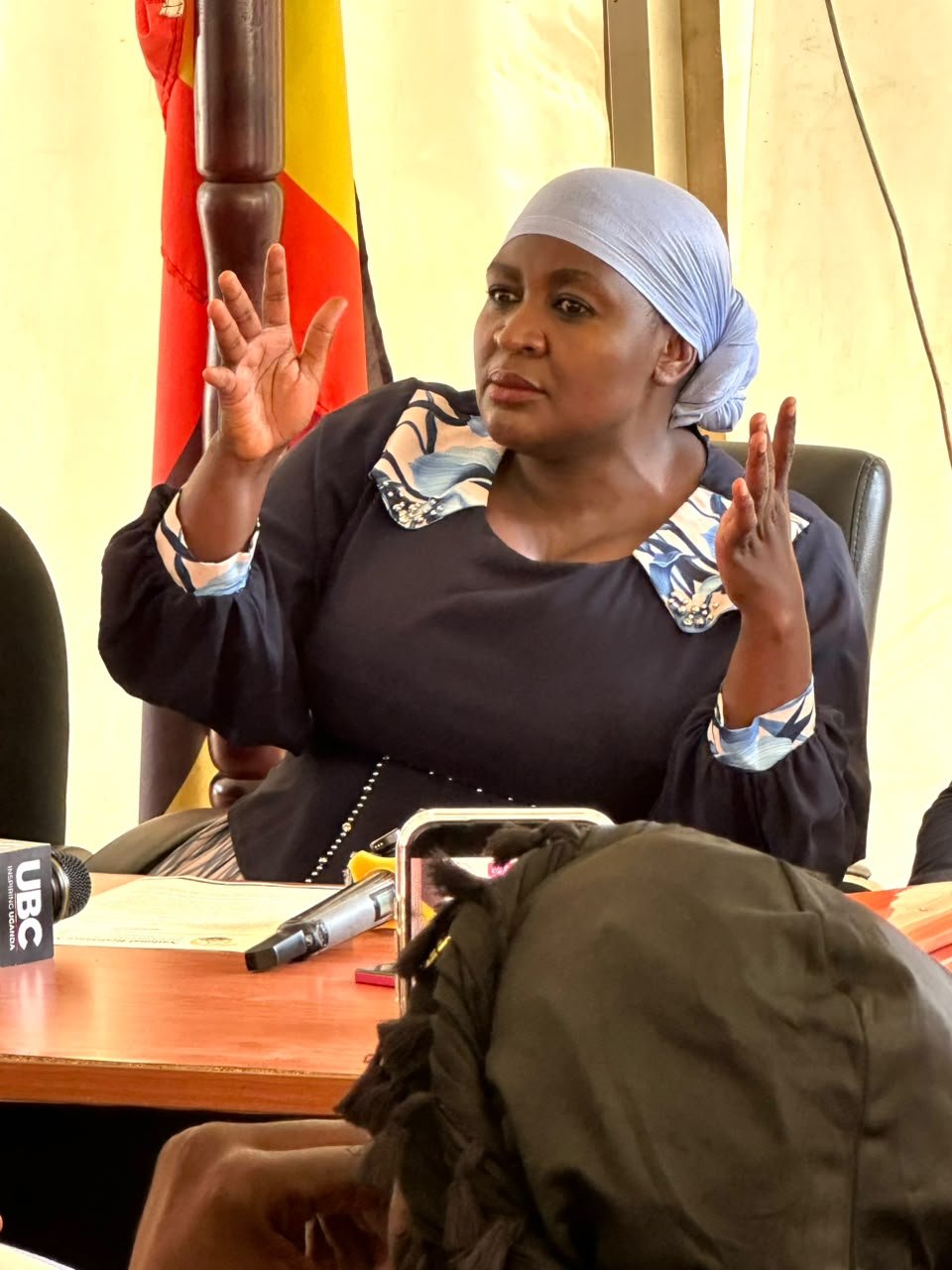
Namyalo said some people remained apprehensive about using gas because of fears of accidents and a lack of information about safe handling.
“You can’t say you are eliminating charcoal when the Ugandan alternative, gas, is not available to us. You have not trained us how to use the gas,” she said.
She urged the relevant authorities to prioritise public sensitisation, particularly among low-income households, to ensure that the transition to cleaner cooking energy is both safe and financially sustainable.
Her remarks come amid concerns over the affordability of alternative cooking fuels in a country where many households rely on charcoal and firewood for their daily cooking needs.
While supporting environmental conservation, Namyalo said the transition should be accompanied by deliberate measures to protect livelihoods, including making gas and its accessories more affordable and promoting other alternatives such as briquettes and improved cookstoves.
She also called for greater investment in afforestation and reafforestation, arguing that tree planting should form a central part of the response to environmental degradation rather than relying predominantly on restrictions.
Namyalo specifically cited West Nile as an area where communities should be encouraged and supported to plant more trees, questioning what she described as inadequate preparation of affected communities before the proposed measures.
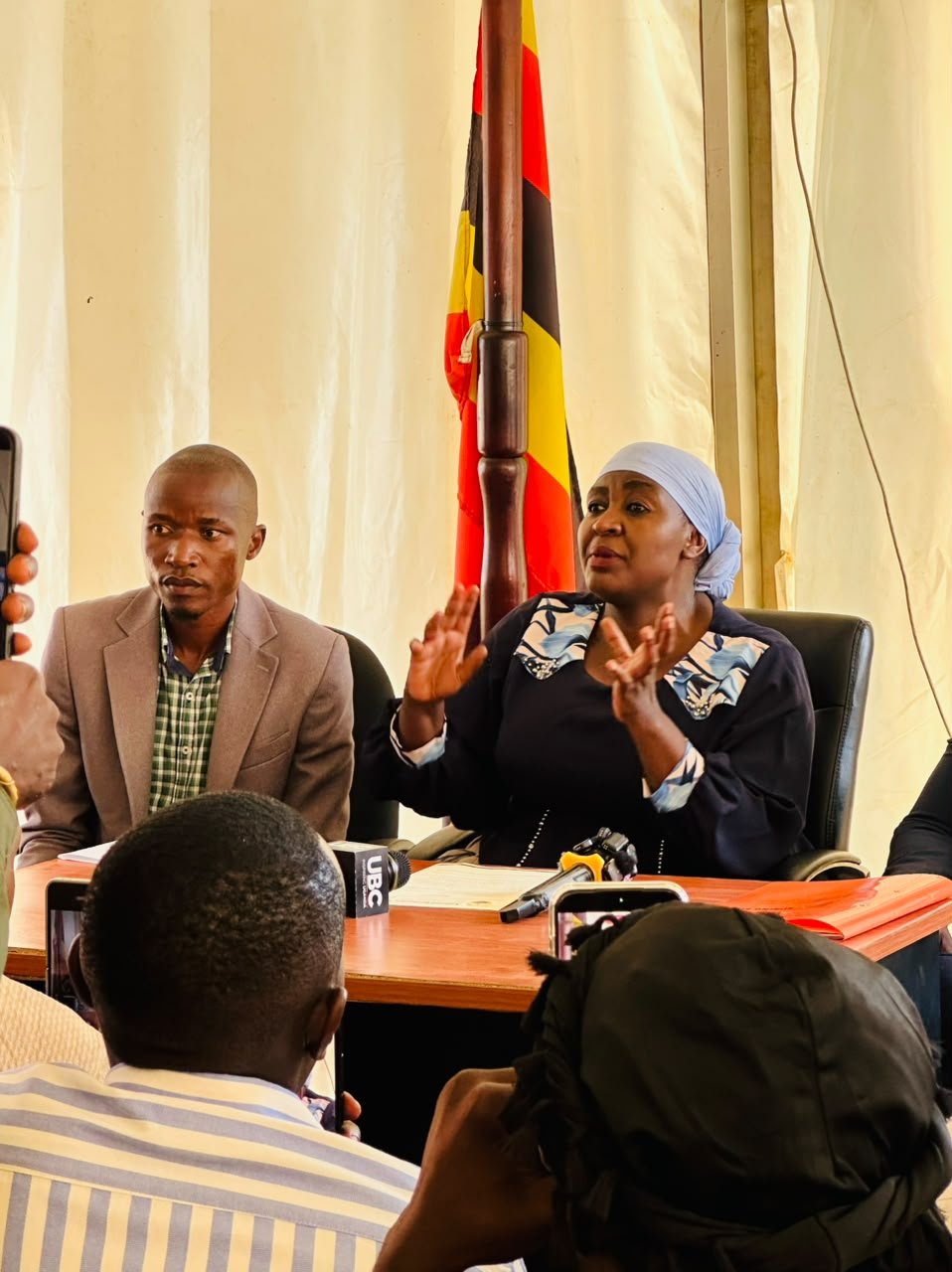
“We are saying the first strategy should be advocating for afforestation,” she said, urging government to help communities develop sustainable alternatives while protecting the country’s natural resources.
The ONC manager also raised concerns about the reported destruction of trees planted through conservation initiatives and questioned the accountability of those responsible for the alleged cutting of trees in protected and traditionally administered areas.
She cited Mabira Forest, referring to controversies surrounding the forest in 2006 and 2007, and expressed concern about developments around Lake Victoria, where she alleged that encroachment had affected the environment.
Namyalo argued that forest destruction, wetland degradation and pressure on water resources required stronger oversight and accountability from the responsible institutions.
She also questioned whether environmental authorities were doing enough to protect ecosystems and address the effects of environmental degradation, including concerns over declining fish stocks and water availability.
Beyond the charcoal debate, Namyalo raised concerns about the wider cost of living, arguing that policymakers should consider the circumstances of households that struggle to afford even a single meal a day.
She questioned whether every household could realistically be expected to adopt gas or electric cooking, particularly where the cost of food and other basic necessities already places pressure on family budgets.
“For someone who can’t afford a meal a day, do I really need gas to prepare salt, onions and tomatoes?” she asked, illustrating what she described as the difficult choices facing poor households.
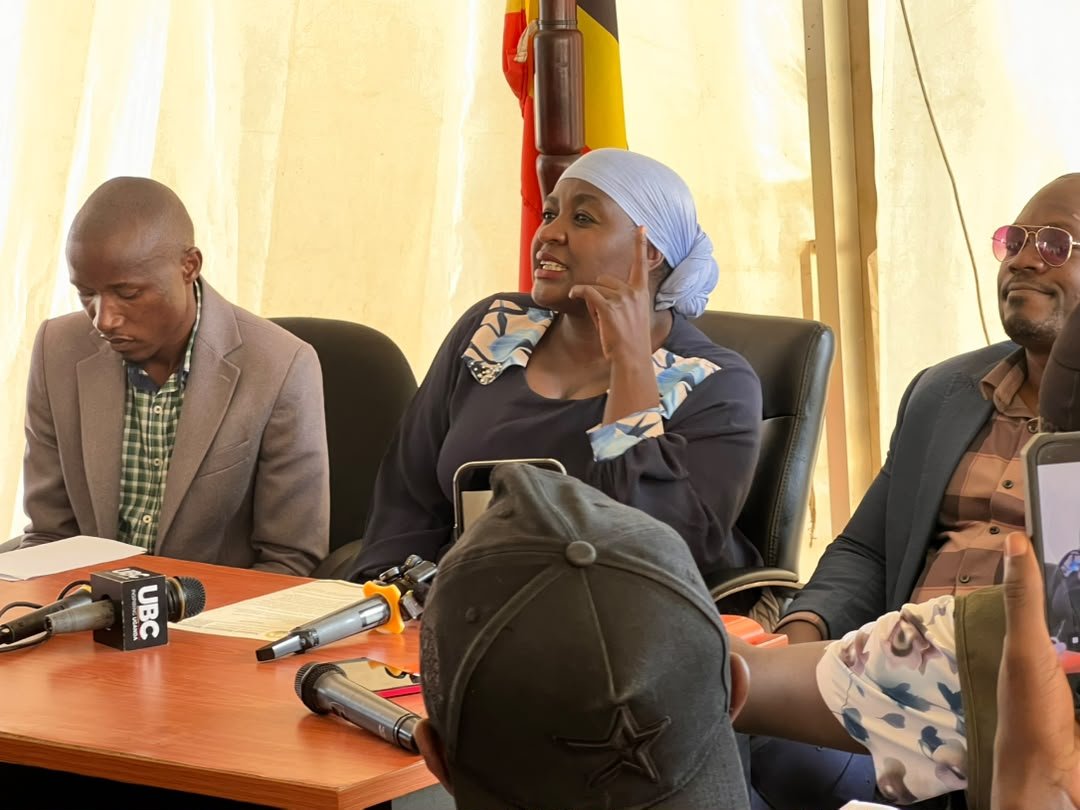
Namyalo said modernisation and the adoption of cleaner technologies were important, but argued that policies should be implemented in a manner that reflects the economic realities of ordinary Ugandans.
She urged government and the relevant institutions to listen to citizens, explain policy changes and introduce practical support measures to prevent environmental interventions from imposing an additional burden on vulnerable communities.
Her intervention adds to the debate on how Uganda can protect its forests and promote cleaner cooking technologies while ensuring that the transition does not leave low-income households without affordable means of preparing their meals.
The central challenge, she suggested, is to ensure that environmental protection and citizens’ welfare advance together, with government providing the education, infrastructure and financial support necessary to make alternative energy accessible to those who need it most.
Namyalo also urged government to strengthen public sensitisation and consultation before implementing policies that could significantly affect household incomes and livelihoods.
“Constructive criticism is not disloyalty. Accountability is patriotism, and the people must remain at the centre of every public policy,” she said.
She said development should be assessed not only through economic indicators but also by whether families can afford to cook, businesses can access credit, electricity supplies are dependable and public expenditure delivers value.