
The monitoring exercise is being conducted by ONC coordinators under the direction of President Yoweri Kaguta Museveni through the Senior Presidential Advisor on Political Affairs and ONC Manager, SPA Hajjat Hadijah Namyalo Uzeiye.
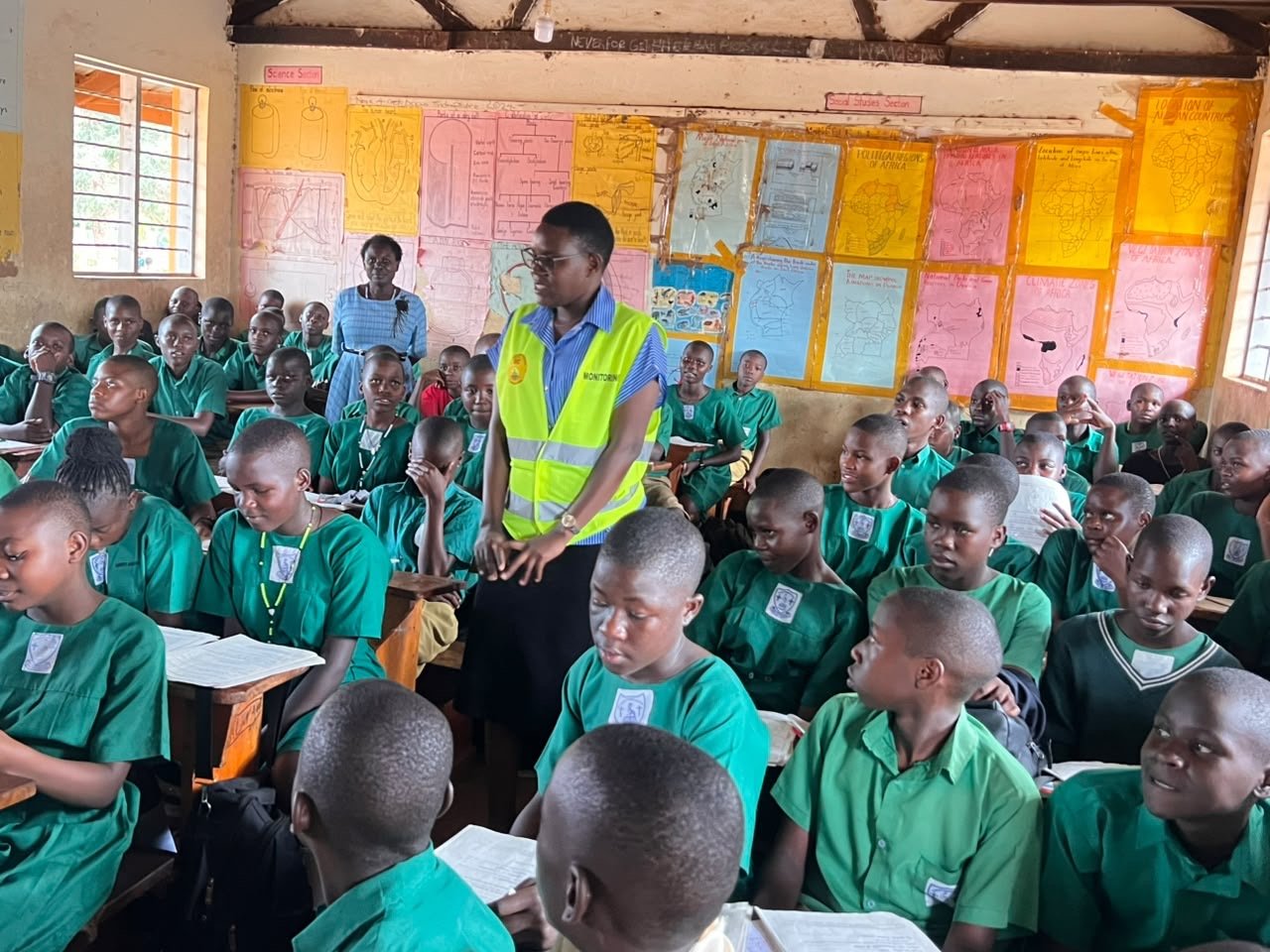
In Mubende District, ONC Coordinator Patience Namuddu visited St Mary’s Primary School, a government-aided Universal Primary Education (UPE) school located in East Division, Kasenyi-Caltex, Katawa Village, Mubende Municipality.
She was received by the school’s Head Teacher, Mr Ssembatya Emmanuel, who shared an update on the school’s enrolment, staffing, infrastructure and key challenges.
1,125 Learners Enrolled
According to the school administration, St Mary’s Primary School currently has 1,125 learners, comprising 551 boys and 574 girls.
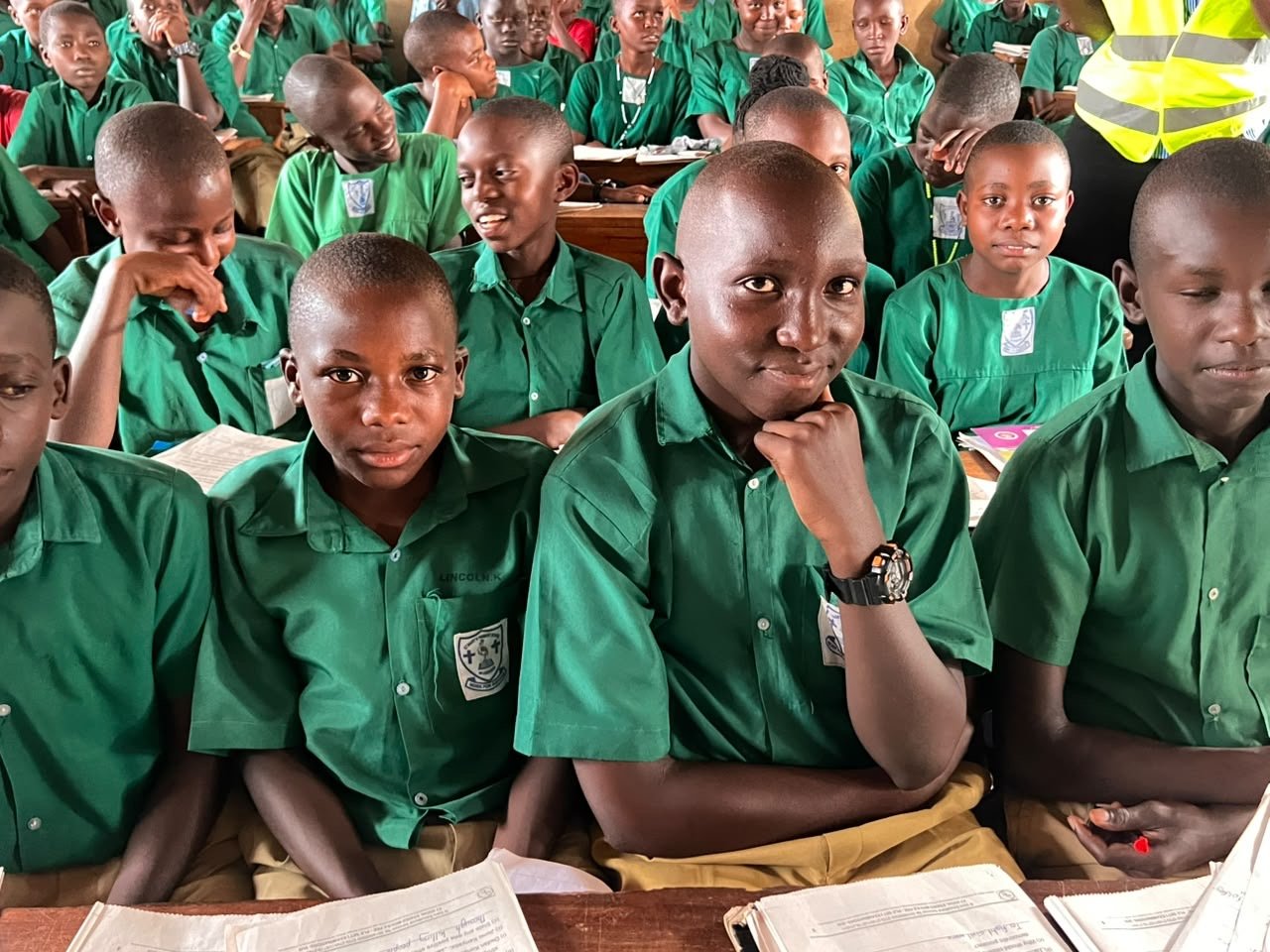
The current enrolment represents a decrease from the previous term, when the school had 1,247 learners. However, school attendance is reportedly improving.
The school has 23 teachers on the government payroll, while existing classroom blocks and latrines were described as generally being in good condition.
A new two-classroom block is also under construction with support from the Parent-Teacher Association (PTA).
Overcrowding Remains a Challenge
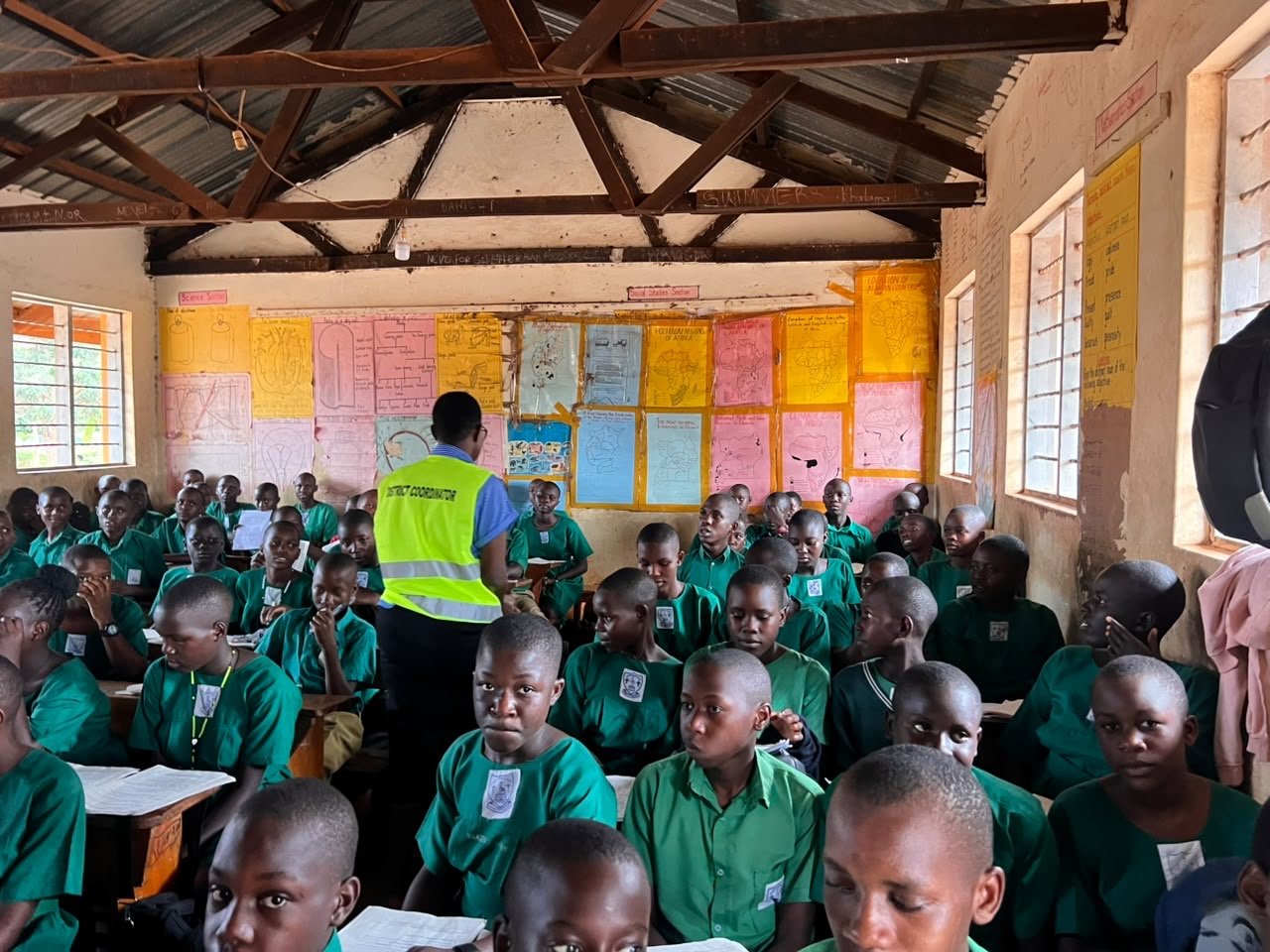
Despite the progress, the school continues to face infrastructure challenges caused by its growing learner population.
Primary Five was highlighted as one of the most affected classes, with 259 pupils accommodated in a single classroom. The situation limits movement within the classroom and makes it difficult for teachers to provide individual attention to learners.
Sanitation is another concern, with the school having approximately one latrine stance for every 40 pupils.
The school’s staff quarters, which accommodate seven teachers, are also old and in need of renovation.
School Appeals for More Infrastructure
Head Teacher Ssembatya Emmanuel thanked the Government, President Museveni and the Office of the National Chairman for their efforts in expanding access to education.
He expressed optimism about the future of the learners while appealing for additional classrooms, improved sanitation facilities and better staff housing to enable the school’s infrastructure to keep pace with the growing number of learners.
The monitoring exercise is intended to provide a clearer picture of service delivery in government-aided schools and highlight areas requiring attention to improve the learning environment for Ugandan children.