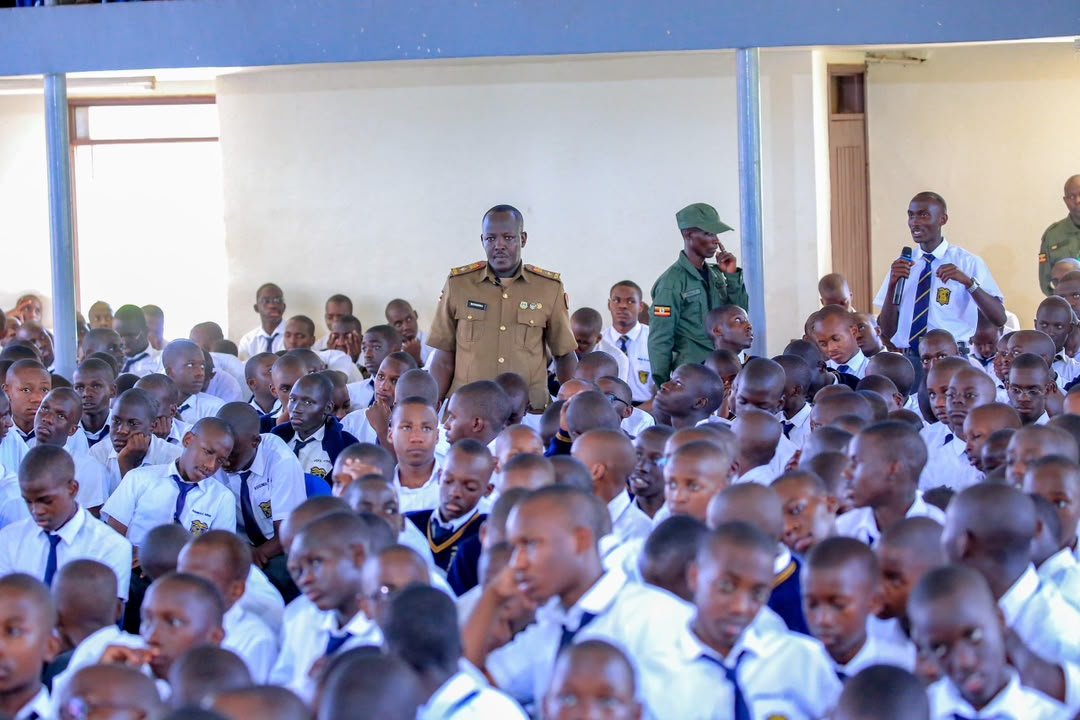

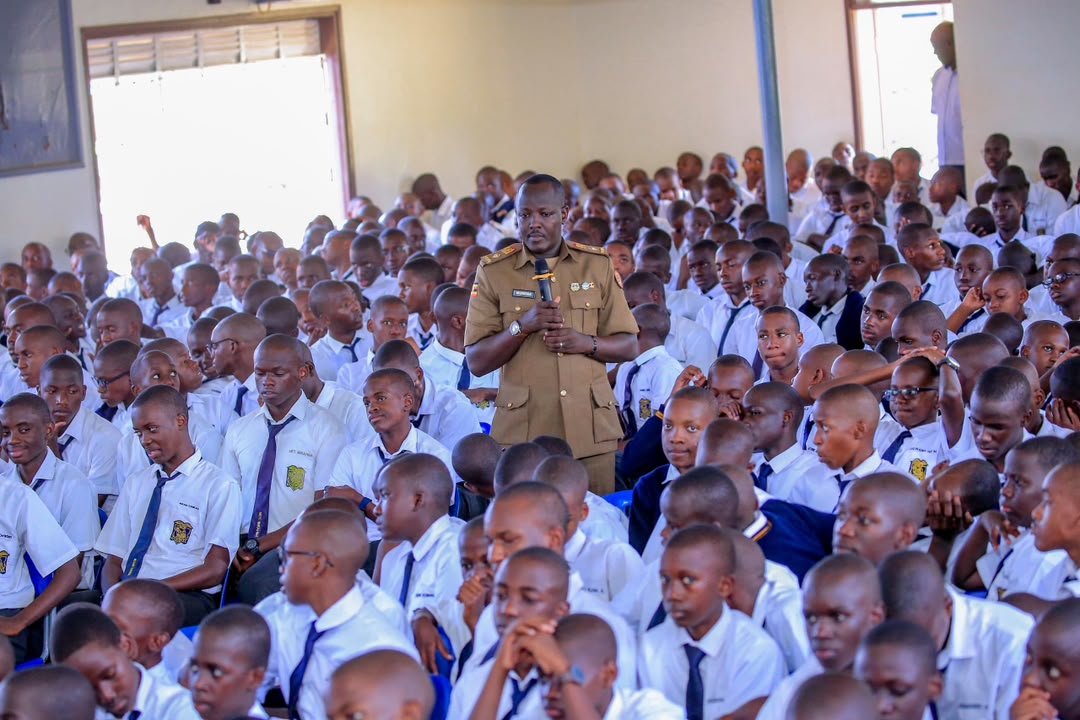
Lt. Col. Frank Murema, Commander of 16 Service Brigade, has challenged students of St. Mary’s College Kisubi (SMACK) to embrace patriotism, discipline, productivity and personal responsibility as they prepare to take on leadership roles and contribute to Uganda’s development.
Murema made the remarks while addressing the students during a lecture on national power, where he highlighted the role citizens play in strengthening the country.
During the lecture, Murema identified five key elements underpinning national power: diplomacy, information and intelligence, the military, the economy and the population.
He explained that strong diplomatic relations help promote international cooperation, while reliable information and intelligence support effective decision-making.
He also emphasized the importance of a professional and disciplined military in safeguarding national security, noting that a resilient economy provides the foundation for sustainable development.
According to Murema, an educated, disciplined and productive population remains one of Uganda’s greatest assets.
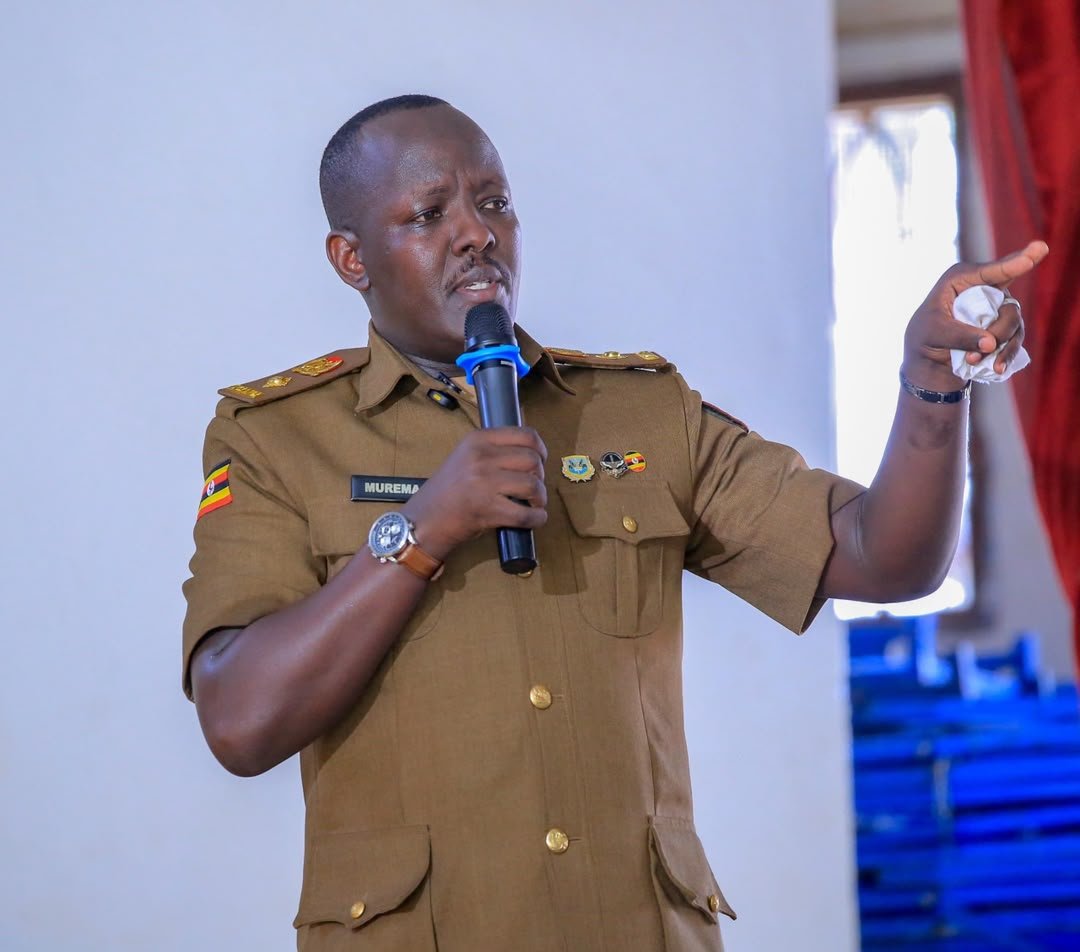
Drawing lessons from Uganda’s development journey and comparing it with China’s experience, Murema stressed the importance of education and skills development in preparing young people to participate meaningfully in the economy.
He particularly highlighted the Competence-Based Curriculum, saying it equips learners with practical skills, innovation, critical thinking and responsible citizenship.
The commander urged students to cultivate conscious discipline, personal responsibility and a strong work ethic, noting that government programmes can only achieve their intended objectives when citizens complement them through individual effort and commitment.
On patriotism, Murema encouraged the students to love, protect and contribute to Uganda regardless of the circumstances.
He also emphasized unity, brotherhood and integration as important foundations for national development, while highlighting Uganda’s contribution to Pan-Africanism and its longstanding hospitality towards refugees.
Murema challenged the students to look beyond Uganda and view East Africa and Africa as a shared market, encouraging them to embrace production, entrepreneurship and innovation as pathways to both individual and national prosperity.
“The future is in production.”
He further urged the learners to use their knowledge responsibly, reject hatred and destructive influences, and maintain strong moral values as they prepare for adulthood and leadership.
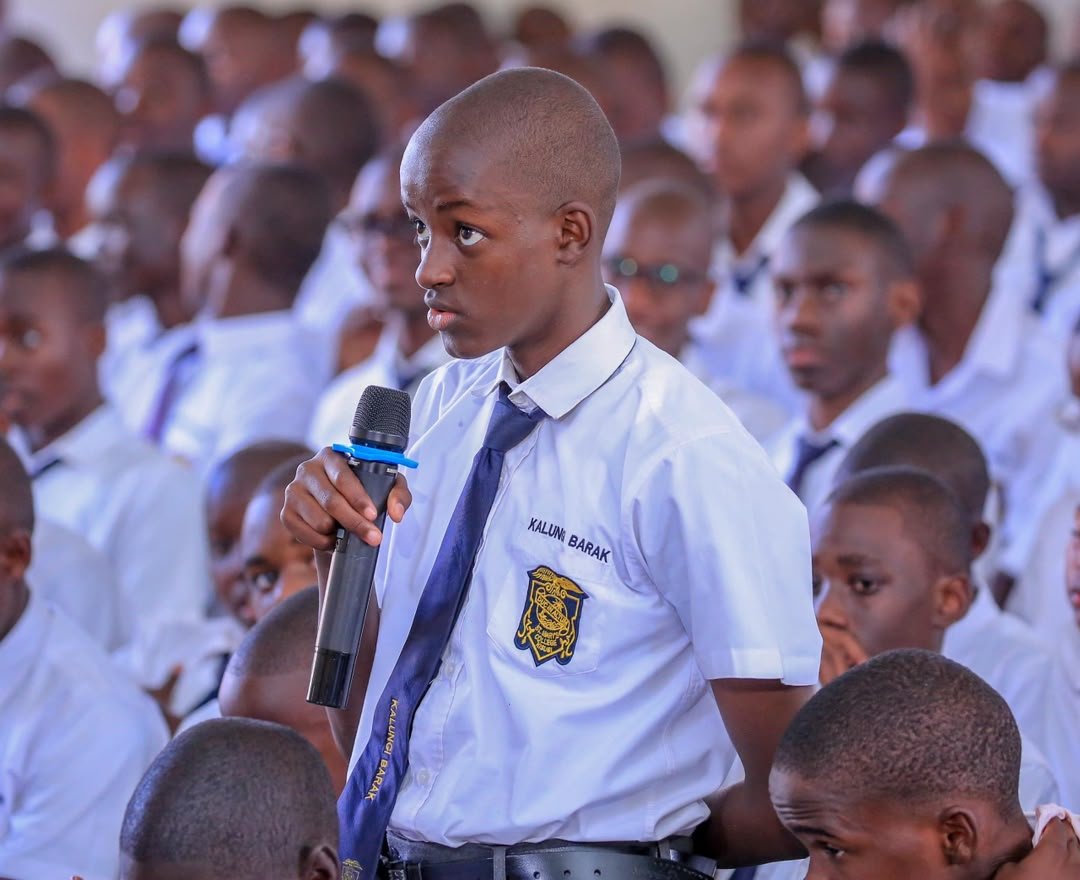
The engagement concluded with an interactive question-and-answer session, during which the students actively participated and expressed appreciation for the lessons on patriotism, discipline, productivity and national responsibility.